
This article has been archived and is no longer featured on the site.
Tech
Why NASA Splashes Down While Russian Spacecraft Land on Solid Ground
Executive Briefing
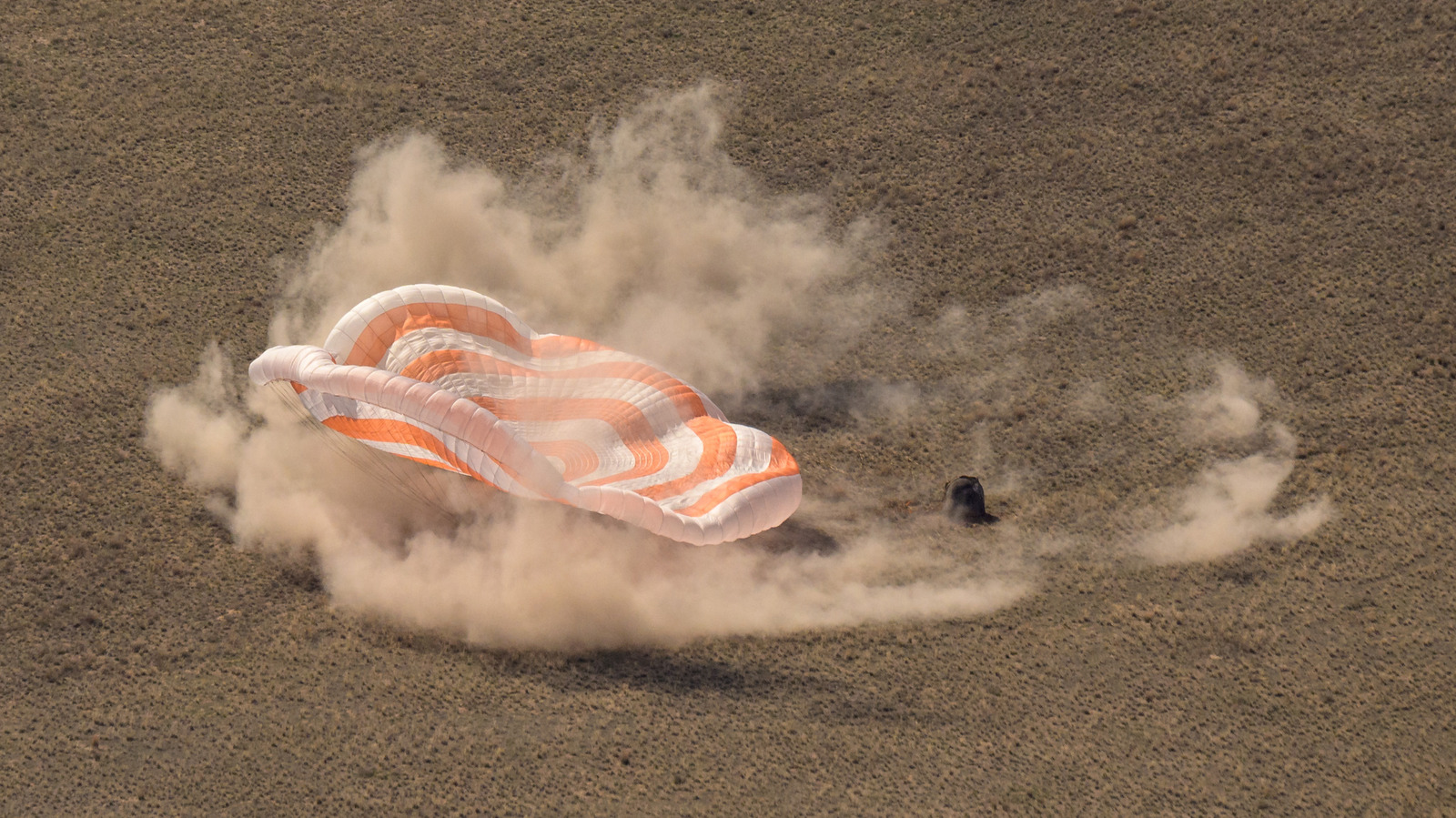
- Geography drives recovery strategy: Russia's vast uninhabited landmass replaces the ocean buffers surrounding U.S. launch sites
- Russia's Baikonur Cosmodrome sits 3,150 miles from the equator, limiting ocean splashdown options unlike Cape Canaveral's coastal location
- Physics favors equatorial launches: Earth spins at 1,025 mph there, boosting rockets toward the 17,398 mph needed for orbit
- Yuri Gagarin ejected from Vostok 1 over four miles up and parachuted down; Alan Shepard splashed safely into the Atlantic
- Russia has used the same land-return method since 1961, while NASA shifted to ocean splashdowns and later Space Shuttle runway landings
Sponsored